The Elevator Eye-Contact Problem: What Your Building's Lobby Says About Whether You'll Ever Know Your Neighbors
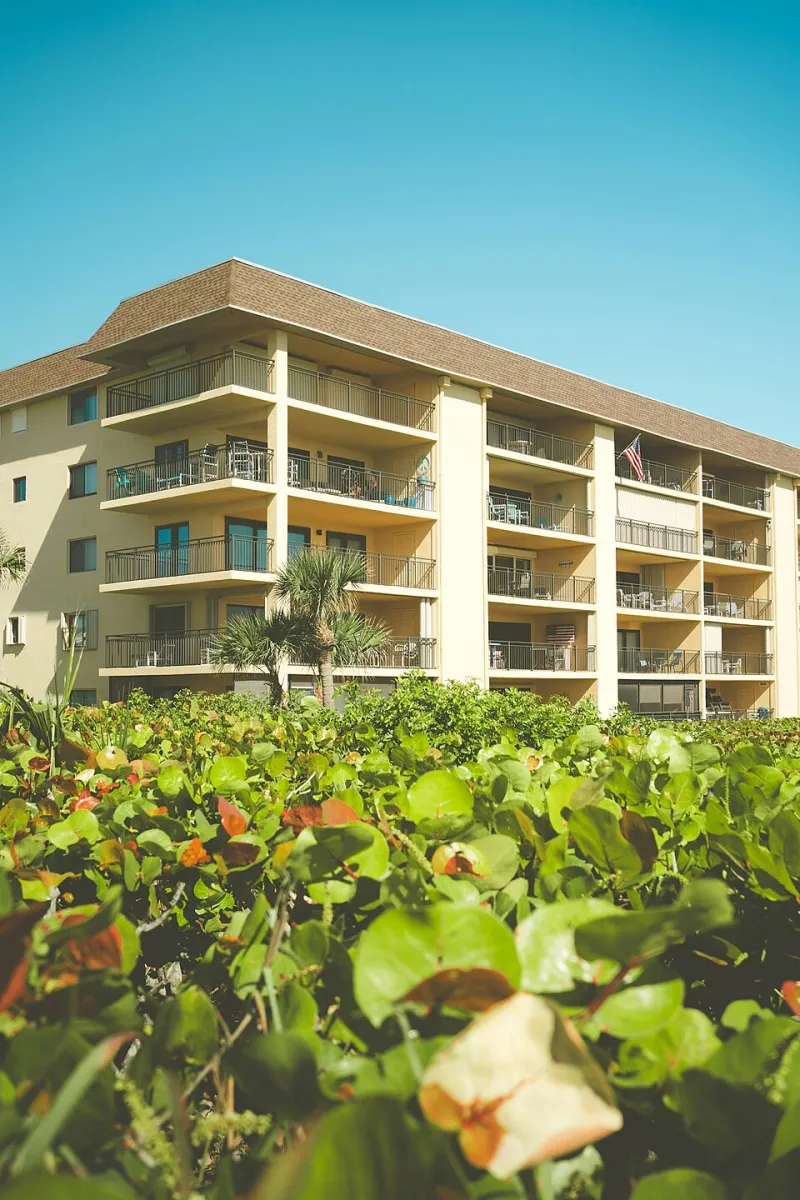
Photo: Gexoje24, CC0, via Wikimedia Commons
There's a particular kind of loneliness that only happens in a high-rise lobby. You know the one: forty stories of people above you, a doorman who knows your Amazon habits better than your birthday, and a row of mailboxes where everyone performs the same elaborate pantomime of not noticing anyone else.
Then there's the other kind of building. The one where someone taped a flyer to the mailroom wall about a lost cat and somehow that turned into a happy hour. Where the package room doubles as a gossip exchange. Where you've got three numbers in your phone labeled '4B,' 'Dana from 12,' and 'guy with the smoker on the roof deck.'
Same city. Same square footage. Completely different social physics. So what's actually going on?
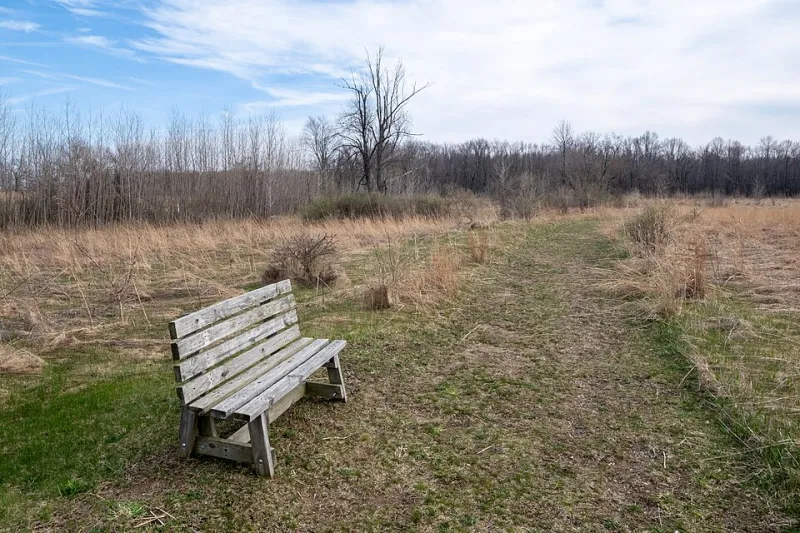
The Bench Theory of Building Friendship
Community designers have a term for the stuff that actually matters, and it's almost never the granite countertops. It's what planners call 'lingering infrastructure' — the places where a person can plausibly stop moving without looking like they're waiting for a bus.
'Nobody becomes friends in a hallway,' explains a Chicago-based designer who consults on multi-family residential projects. 'Friendship needs an excuse to pause. A bench by the elevators. A coffee station. A dog run that forces two people to stand in the same spot for ten minutes while their animals sort out their own politics.'
Walk through Lakeview's older courtyard buildings or the vintage towers along the lakefront in Edgewater and you'll notice it: window seats in the lobby, wide stair landings, lobbies built when people actually expected to talk to each other. Compare that to a lot of newer construction in the West Loop, where the lobby is essentially a beautiful tunnel. You pass through it. You don't exist in it.
Management Sets the Temperature
Here's the part nobody tells you when you sign a lease: the building manager is basically the unelected mayor of your social life.
Tenants at a mid-rise in Logan Square credit their building's group text — started by the property manager after a snowstorm stranded half the units without power — with everything from a shared snow blower to two marriages. 'She could've just sent an email blast,' one resident told us. 'Instead she put a sign-up sheet in the lobby asking who had a generator and who needed one. That sheet is still up. It's got like forty names on it now.'
Contrast that with buildings where management treats every tenant interaction as a liability risk. No bulletin boards. No community room bookings without insurance paperwork. No grills on the roof. Every rule is reasonable on its own, and together they add up to a message: don't get attached.
'The buildings where people know each other almost always have management that tolerates a little mess,' says a property manager who's worked both sides of the divide. 'A potluck that leaves the kitchen smelling like jollof rice for a week. A bulletin board that gets cluttered. If you run a building like a hotel, people behave like hotel guests. Nobody befriends the person in 1402 of a Marriott.'
The Mailbox Test
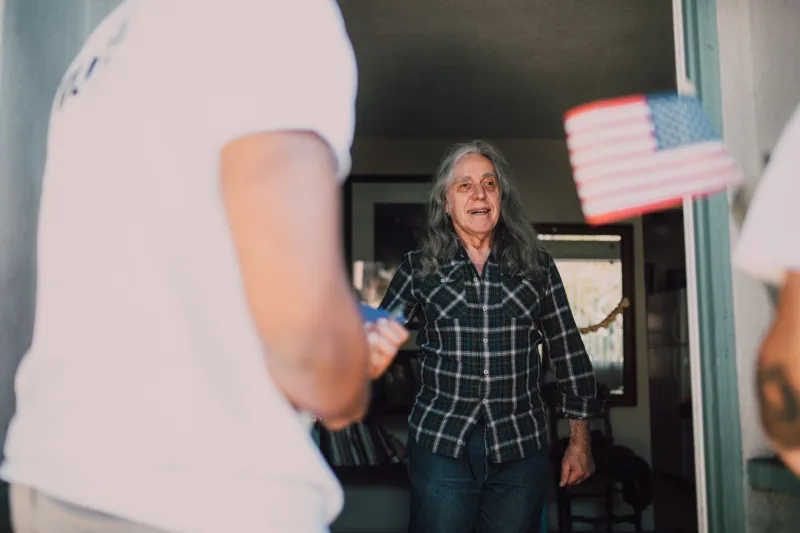
Want a quick diagnostic of your own building? Try what one South Loop tenant calls 'the mailbox test': next time you're grabbing your mail, make eye contact with one person and say hello. Then count how many conversations it sparks.
In buildings with even minimal social infrastructure — a pet, a package room, a shared laundry space with more than one bench — that hello tends to travel. In the revolving-door buildings, you'll get the polite nod, the headphones go back in, and the moment closes like a door.
'It's not that people in those buildings are unfriendly,' insists one Humboldt Park renter who's lived in both types. 'It's that the building never gave anyone a reason to break the seal. Once you've said hello three times to the same person, you're basically acquaintances. But you need the building to throw you together those three times.'
What Renters Can Actually Do
If you're stuck in a tunnel lobby, all is not lost. The residents we spoke with who successfully warmed up cold buildings all started small and weird:
- The free stuff shelf. One printer stand in a River North lobby corner, labeled 'TAKE / LEAVE,' has reportedly survived four management companies and become the building's unofficial town square.
- The dog tax. Nothing restructures a building's social graph faster than a dog. If you have one, walk it at consistent times. If you don't, befriend someone who does.
- The lobby holiday. A group in Uptown started putting up modest decorations for whatever holiday came next — Diwali, Lunar New Year, the first day it hit 60 degrees. Participation was optional. Recognition wasn't.
- The group chat with low stakes. Not a forum. Not a newsletter. Just 'does anyone have a casserole dish' energy.
None of this requires a budget or board approval. It requires one person willing to be the slightly-too-friendly neighbor, and then a second person willing to say yes.
Because Belonging Is a Design Decision
Chicago has always been a city of neighborhoods, but increasingly it's a city of buildings — vertical neighborhoods stacked forty units at a time, each one deciding daily whether to be a community or just a place where keys work.
The good news? The research and the residents agree: it doesn't take a renovation. It takes a bench, a manager who allows a little chaos, and one person who decides that making eye contact in the elevator is worth the risk.
Your building is already deciding what kind of place it is. The only question is whether you're part of the decision.