The Welcome Wagon Is Real: Meet the Locals Who Greet Every New Chicagoan by Name
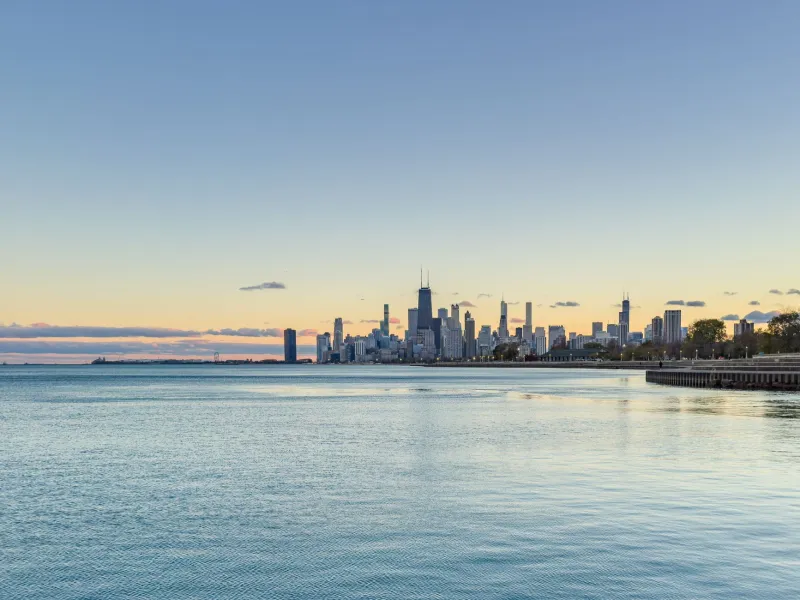
There's a moment every transplant to Chicago knows well. The boxes are unpacked (mostly), the CTA pass is loaded, and you realize you live in a city of 2.7 million people and know exactly none of them.
That's when the welcome wagon shows up. Sometimes literally.
The Woman With the Basket
Dolores has lived in the same two-flat in Avondale for 34 years, and she keeps a running inventory of moving trucks on her block the way other people track package deliveries. When a new tenant appears, so does she—with a basket containing a canolli from the bakery on Belmont, a hand-drawn map of the best tacos within walking distance, and her phone number on an index card.
"The card says 'for emergencies or just to talk,'" she told us. "Most people call for both eventually."
Dolores isn't an anomaly. Spend enough time in Chicago's neighborhood commercial strips and you start spotting a whole network of these unofficial ambassadors—the barista who remembers you moved in last Tuesday and introduces you to the regular at the next table, the guy at the hardware store who asks if you're new to the area and then walks you three blocks to show you where the block party happens.
Why an Introduction Beats a Guidebook
Relocation guides will tell you Chicago is a "city of neighborhoods," which is true but useless on its own. It's like being handed a map of a country with no interpreter.
What actually makes a neighborhood feel like yours is the first person who learns your name—and, crucially, uses it the second time they see you. Sociologists call these "weak ties," the casual acquaintances who stitch us into a place. Chicago seems to manufacture them at an unusual rate.
Part of it is structural. The city's grid, its dense commercial strips, its porch-and-front-stoop housing stock all create natural collision points. But structure only explains so much. The rest is a culture that treats welcoming as a civic duty, not a favor.
The Mental Map Keepers
Talk to enough of these greeters and a pattern emerges: they all keep mental maps. The barber in Bridgeport who knows which blocks just filled up with new leases. The yoga instructor in Pilsen who notices first-timers and pairs them with veterans after class. The librarian in Rogers Park who has, on more than one occasion, personally introduced two newcomers to each other because "you both have dogs and no friends here yet."
These aren't people with official titles. They're people who've decided that a city is only as good as how it treats its newest residents—and they've appointed themselves to the front lines.
Where Transplants Say They Felt It Fast
If you're new to town and wondering where this warmth concentrates, here's a short list, drawn from dozens of conversations with recent arrivals:
- Rogers Park — Arguably the most diverse zip code in the country, and it shows in its street-level friendliness. Newcomers report being invited to potlucks within weeks.
- Pilsen — A neighborhood with deep roots and strong pride, where longtime residents are vocal about who belongs (everyone, they'll tell you).
- Avondale — Quietly become a landing pad for transplants, and the old guard has responded by simply learning everyone's names.
- Bridgeport — Historically insular, now famously open, thanks in part to a new generation of locals who treat every new face as a recruit for the block club.
- Hyde Park — The university's constant churn of arrivals has created a neighborhood that's institutionalized the welcome.
Your Move
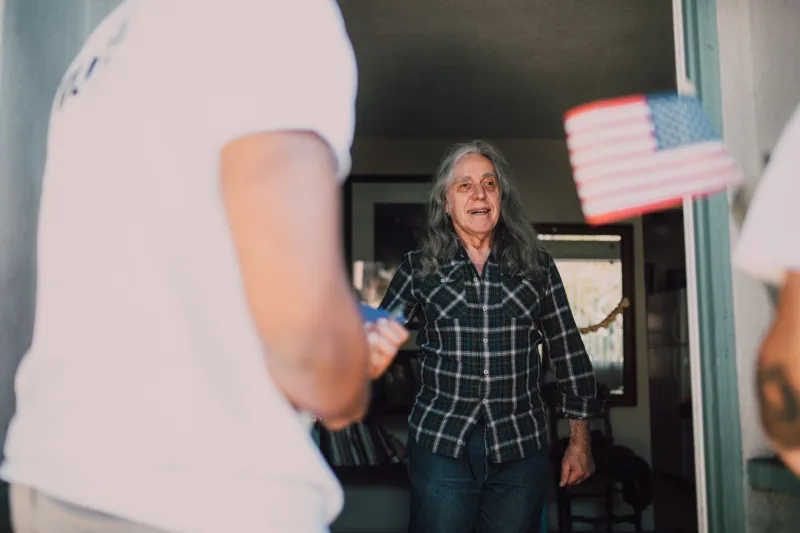
Here's the thing about these ambassadors: they can't greet you if you don't surface. Say yes to the block party flyer. Tell the barista it's your first week. Answer the door when someone knocks with a basket.
And eventually—usually without noticing when it happened—you'll catch yourself doing the same thing for the next person with a moving truck. That's how a city of neighborhoods actually gets built: one introduction at a time, passed along like a good recipe.