Two Dollars, One Ticket, Zero Regrets: Chasing Chicago's Raffle Circuit Across a Single Summer
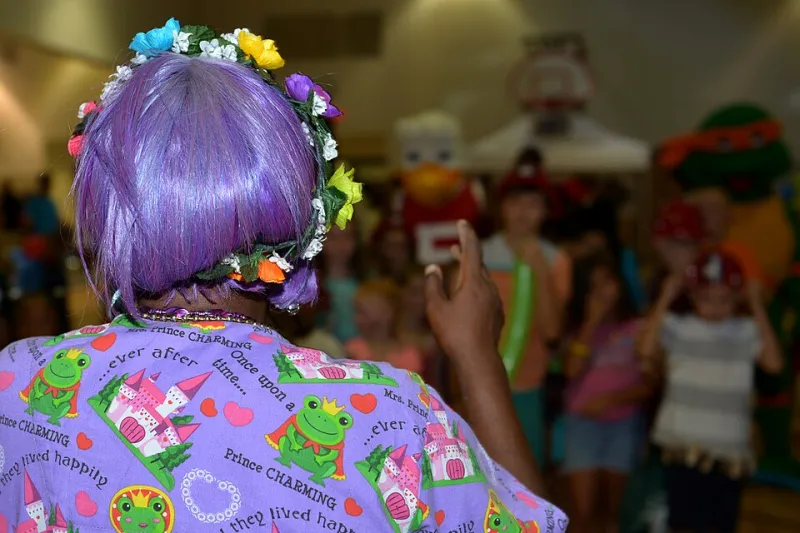
Photo: Staff Sgt. Natasha Stannard, Public domain, via Wikimedia Commons
Let's be honest about what a raffle ticket actually is: a piece of paper with a number on it that will almost certainly lose. The odds are laughable. The prizes — a gift basket from the Jewel on Western, a hand-knit scarf, one free oil change — rarely justify the two bucks. And yet, every summer weekend from June through September, Chicagoans line up at folding tables all over this city, fishing crumpled bills out of fanny packs, to do it anyway.
I spent this past summer as one of them. Five events. Five tickets. One summer of chasing the raffle circuit. I won exactly zero prizes, and I'd do it all again tomorrow.
The Table at the End of the Block
My first stop was a June block party on the Northwest Side — the kind with the permits taped to a lamppost and the fire hydrant mysteriously open. The raffle table sat at the corner of the closure, manned by a woman named Dottie who has, by her own account, run the raffle for 31 years.
"People don't come to the table to win," she told me, tearing a ticket off a roll older than some of the partygoers. "They come to the table because at the table, somebody asks how your mom's doing."
She was right. I stood there for twenty minutes buying nothing, and learned that the guy in the Bears jersey had just retired from the CTA, that the family across the street was foster-placing their second kid, and that somebody's cousin was "doing great now" after a rough stretch. Nobody won anything during those twenty minutes. Everybody left richer.
A Civic Ritual in Disguise
Here's the thing sociologists and block party veterans both seem to understand: the raffle is a conversation engine with a prize attached. It gives two strangers a script. What's the prize? How much are tickets? Oh, you grew up near there? Boom — you're talking.
Compare that to a typical networking event, where the script is "So, what do you do?" and everyone dies a little inside. The raffle script is warm, specific, and low-stakes. Worst case, you lose two dollars. Best case, you lose two dollars and gain a standing invitation to next year's party.
At a church picnic in Brighton Park in July, I watched a teenager use the raffle table as a de facto welcome desk, introducing every newcomer to at least three people. No one asked him to do this. The table just naturally became the place where the party processed people in.
The Organizers' Secret
The raffle organizers I interviewed across the summer — a VFW post on the Southwest Side, a park advisory council on the North Side, two block clubs, and one very competitive parish — all said versions of the same thing: the prize is bait, not the point.
"I've given away a grill worth $400 and I've given away a lawn ornament somebody's aunt made," said one organizer at an August fundraiser. "People react the same way. They cheer, they groan, they tell stories about the year the drawing got rained out. The prize is just an excuse to stand in a circle together."
There's something progressive and quietly radical in that, too. A raffle is one of the last genuinely flat social spaces in the city. Two dollars is two dollars, whether you own a two-flat or rent a studio. Everybody's number goes in the same bucket — sometimes literally a bucket, decorated with tape.
The Summer's Final Reckoning
By my fifth and final event — a September block party where the raffle grand prize was, gloriously, a deep fryer — I'd stopped thinking of my tickets as lottery entries and started thinking of them as admission. Admission to conversations, to inside jokes about previous years' prizes, to the slow, unglamorous work of belonging somewhere.
I lost every drawing. I left every party with names in my phone.
If there's a block party, church festival, or park fundraiser near you this summer, skip the line for the Italian ice for five minutes and find the folding table. Buy the ticket. Talk to Dottie. The prize doesn't matter — the circle you buy into does.