Aisle One Is Where the City Introduces Itself: A Newcomer's Month Inside Chicago's Ethnic Grocery Stores
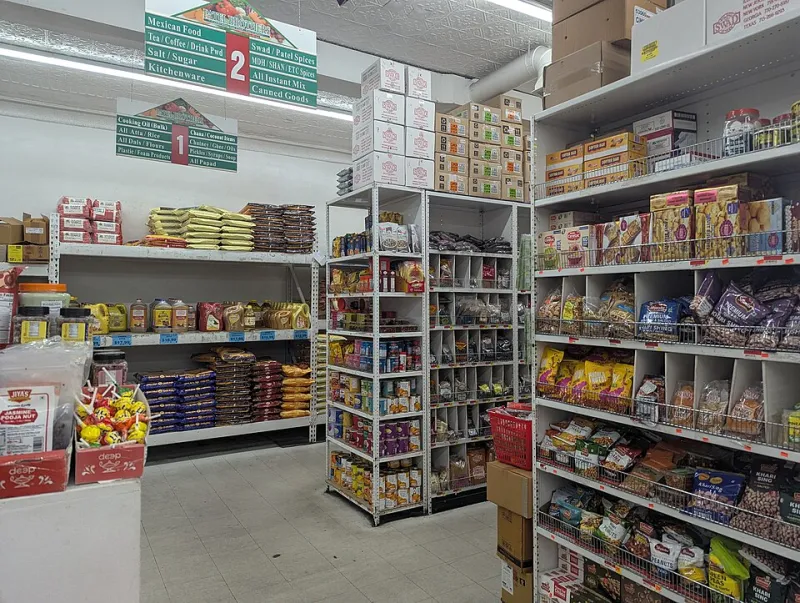
Photo: Sdkb, CC BY-SA 4.0, via Wikimedia Commons
Mara Okafor arrived in Chicago in early March with two suitcases, a sublet in Uptown, and no idea where to buy lemongrass.
She'd moved from Atlanta for a job she was still nervous she'd talk her way out of. Her apartment was fine. Her coworkers seemed nice. But on a Sunday afternoon in a mostly empty walk-up, the city felt like a place she was visiting rather than living in.
Then she walked into Tai Nam, the sprawling Vietnamese grocery on Argyle Street, and a woman in line behind her said, "First time? You have to grab the banh mi from the bakery counter before you leave. Trust me."
Thirty days later, Mara had a favorite butcher, a produce guy who saved her the good mangoes, and a rotating cast of shoppers who'd answered questions she was too proud to Google. Her crash course in belonging, it turned out, was measured in shopping trips.
The Grocery Store Nobody Calls a Grocery Store
Chicago's independent ethnic markets operate less like stores and more like neighborhood institutions with cash registers. The Vietnamese markets clustered around Argyle's Red Line stop—Tai Nam, Hoa Binh Market—double as de facto community centers where elders catch up in the aisles and kids do homework in the food court out back.
Head northwest to Avondale and you'll find Polish delis like the ones along Milwaukee Avenue, where the clerks will lecture you—kindly, but firmly—on why you're buying the wrong pierogi. In Little Village, the carnicerías and panaderías along 26th Street function the same way for one of the city's largest Mexican communities. Piotrowski Park on the Southwest Side, Devon Avenue's South Asian markets, the Hmong and Southeast Asian grocers scattered through Uptown: each one is a front door into a neighborhood.
What these places have in common isn't just food. It's that the person behind the counter assumes you might need more than groceries.
Week One: The Clerk Who Became a Concierge
Mara's first stop after Argyle was a Polish deli her coworker swore by in Avondale. She went in for kielbasa and left with a twenty-minute education.
"The woman behind the counter could tell I was overwhelmed," Mara says. "She asked what I liked to cook, then just started handing me things. 'You'll want the smalec for the bread. This soup mix, you add it to anything.' I didn't even eat Polish food before. I do now."
Clerks at these stores perform a role no chain supermarket ever trains for: informal relocation specialist. They know which bus connects to which neighborhood, which landlords are decent, where the closest clinic is. Ask a question in a big-box store and you get an aisle number. Ask in a family-run market and you get a conversation.
Week Two: Learning the Rhythm of the Aisles
By her second week, Mara had figured out that ethnic grocery stores run on their own calendars. The Mexican markets in Little Village overflow with produce ahead of Día de los Muertos and Christmas. Argyle's shelves shift with Lunar New Year. The Polish delis get packed on Fridays before holidays she'd never heard of.
"You start understanding the neighborhood by what sells out," she says. "When the good mushrooms disappear, there's a reason. There's a holiday. There's a gathering. People are cooking for somebody."
That's the quiet lesson these stores teach newcomers: culture isn't a festival you attend once a year. It's a weekly rhythm you can plug into, even as an outsider. Show up often enough and the rhythm becomes yours.
Week Three: The Shoppers Take Over
The staff can only do so much. What really hooked Mara was the other customers.
At a Mexican carnicería in Little Village, a grandmother corrected her tortilla selection—gently, in Spanish, then in English—and ended up walking her through the whole spice aisle. At Tai Nam, a regular explained which fish sauce brand his family had used for thirty years. "Nobody was doing it to be nice, exactly," Mara says. "They were doing it because that's how you shop there. You talk to people. It's the culture of the place."
Compare that to the standard American grocery experience: earbuds in, self-checkout, zero eye contact. The independent markets are practically engineered against isolation. Narrow aisles force proximity. Long lines force conversation. Unfamiliar ingredients force questions.
Week Four: When a Store Stops Being a Store
Somewhere around day twenty-five, Mara realized the clerks knew her name. The produce guy at Argyle set aside the Thai basil she liked. The deli regulars nodded when she walked in. She'd stopped being a customer and started being a fixture.
This is the thing Chicago does better than almost any city in the country. Our neighborhoods are famously, stubbornly specific—Polish Avondale, Vietnamese Argyle, Mexican Little Village—and those identities live most vividly in their markets. For a newcomer, that specificity is an invitation. You don't have to be from there. You just have to keep showing up.
Mara's advice for anyone new to the city: skip the big chains for a month. Pick a neighborhood that isn't yours. Shop where the food is unfamiliar and the questions are obvious.
"The city stopped feeling like a map and started feeling like a place," she says, "the day a stranger told me my fish sauce was wrong."
Where to Start
- Argyle Street, Uptown — Vietnamese markets, bakeries, and a food scene that spills onto the sidewalk. Take the Red Line to Argyle.
- Milwaukee Avenue, Avondale — Polish delis, butcher shops, and bakeries within a short walk of each other.
- 26th Street, Little Village — Carnicerías, panaderías, and tortillerías along one of the most vibrant commercial strips in the Midwest.
- Devon Avenue, West Ridge — South Asian groceries and spice shops stretching for blocks.
Bring cash, bring questions, and don't be surprised if you leave with dinner, directions, and a phone number for somebody's cousin who does plumbing.