Sit Down, Stranger: How Chicago's Community Supper Scene Is Turning Dinner Guests Into Lifelong Friends

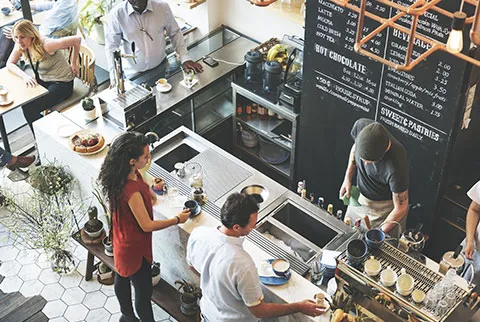
Photo by Photo by Brandee Taylor on Unsplash on Unsplash
There's a particular kind of magic that happens around a crowded table. The bread gets passed. Someone makes a joke. A conversation about where you grew up turns into a two-hour deep dive about the city you both call home. By the time dessert hits, you've exchanged numbers with people whose last names you still don't know.
This is the whole point.
Across Chicago, a quietly growing movement of organizers, chefs, and everyday residents is using the dinner table as a deliberate tool for community-building. These aren't your standard restaurant reservations or office potlucks. These are carefully curated, often intimate gatherings designed to collapse the social distance that a city of 2.7 million people can quietly impose on all of us.
More Than a Meal
The concept isn't entirely new — supper clubs have existed in various forms for decades. But what's happening in Chicago right now feels different. Organizers are leaning into intentionality. The goal isn't just good food (though that matters, too). It's structured serendipity: putting people in a room together who would almost certainly never cross paths otherwise, then letting the shared act of eating do its quiet, powerful work.
Take the monthly gatherings organized out of a Pilsen two-flat, where a rotating cast of 16 strangers sits down to a long-table dinner cooked by the hosts and two guest cooks from different culinary backgrounds each month. Tickets are sold through word of mouth and a low-key newsletter. The only rule? You can't bring someone you already know.
"People think that rule is weird until they're three hours in," says one of the organizers, who asked to be identified only by her first name, Marisol. "Then they get it. When you don't have a built-in person to default to, you actually talk to everyone."
The Bronzeville Potluck Collective
On the South Side, a different model has taken root. The Bronzeville Potluck Collective started as a pandemic-era experiment — a way for neighbors on the same block to safely share food and check in on each other. It outlasted the lockdowns. Now, it draws residents from across the South Side to rotating locations, with each gathering anchored by a loose theme (a recent one celebrated the Great Migration through food and music) and an open invitation ethos.
Participants bring a dish tied to their own heritage or family story. Before anyone eats, they share a few sentences about what they brought and where it comes from. It sounds simple. It hits different in practice.
"I brought my grandmother's jollof rice the first time I went," recalls Marcus, a Hyde Park resident who's now a regular. "I ended up talking for 45 minutes with this woman from Chatham who grew up in Lagos. We're genuinely friends now. We text. That doesn't happen by accident — it happened because someone built a space where it could."
Pop-Up Dining as Portal
The city's pop-up dining scene has also evolved well beyond its foodie origins. Yes, there are still ticketed chef's-table experiences that prioritize the cuisine above all else. But a growing number of pop-up organizers are explicitly centering community alongside the cooking.
One North Side collective hosts quarterly "blind dinner" events where guests don't know the menu, the location, or who else is coming until 48 hours before. The mystery is deliberate — it strips away the social performance that often accompanies dining out and replaces it with genuine curiosity. Attendees tend to arrive a little nervous and leave a little transformed.
"There's something about not knowing what to expect that makes people more open," says one of the collective's organizers. "You can't prep your persona. You just show up."
Why Food Works When Other Things Don't
Sociologists and community organizers have long recognized food as one of the most powerful connective forces humans have. Eating together is one of the oldest social rituals on earth, and it carries an implicit vulnerability — you're sustaining yourself, you're accepting nourishment from someone else's hands, you're slowing down in a way that daily urban life rarely demands.
In a city that can feel simultaneously overcrowded and isolating, that slowdown matters. Chicago's neighborhood structure — historically siloed by race, class, and geography — means that many residents spend years in the city without ever meaningfully connecting with people outside their immediate bubble. Intentional dining experiences poke holes in that insularity without requiring anyone to attend a meeting, sign a petition, or do anything that feels like work.
You just have to eat. Which you were going to do anyway.
How to Find Your Table
If this sounds like something you need in your life — and honestly, who doesn't — here's how to plug in:
- Follow local food newsletters and community boards. Many of these gatherings are intentionally low-profile and spread through trusted networks. Substack newsletters focused on Chicago food and culture are a solid starting point.
- Check neighborhood Facebook groups and Eventbrite. Search terms like "community dinner Chicago," "supper club," or "pop-up dinner" will surface more than you'd expect.
- Ask your local indie restaurant or coffee shop. Plenty of these events are hosted in or adjacent to small businesses whose owners are deeply embedded in their communities.
- Say yes to the weird invitation. If a coworker or neighbor mentions something that sounds a little unconventional — a dinner where you don't know anyone, a potluck with a theme you don't fully understand — consider going. The whole point is the unfamiliar.
Chicago has always been a city of neighborhoods, which is another way of saying it's always been a city of tables. The people pulling up extra chairs right now are just making that a little more literal — and a lot more intentional.
Your seat is waiting.