Dodgeball on a Tuesday: Why Chicago Grown-Ups Are Signing Their Whole Social Lives Over to Rec Leagues
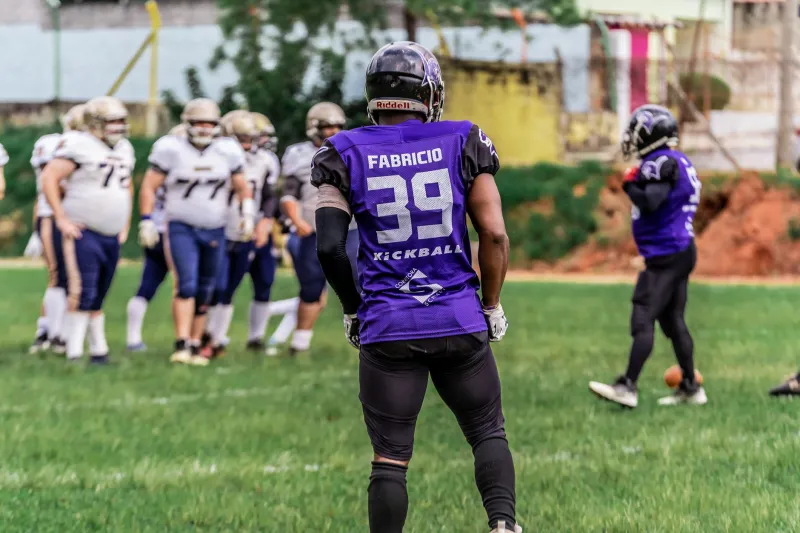
There's a moment that happens on fields and courts all over Chicago every week. A newcomer shows up alone, clutching a water bottle, scanning the crowd for a familiar face. By the ninth inning, they're arguing about a foul ball with someone they met forty minutes ago. By the post-game bar stop, phone numbers have been exchanged. By week six, they're in the group chat. By next season, they're the one organizing it.
If you've wondered why your coworker keeps talking about "my kickball people," this is what they mean.
The Math of Adult Friendship Is Brutal
Making friends as a grown-up is a numbers problem. You need repeated, low-pressure contact with the same people over time — the thing school used to provide for free and adulthood refuses to. A rec league solves it in one signup. Same night. Same field. Same faces. For ten weeks. No one has to perform or explain why they're there, because everyone showed up for the exact same reason.
"People think they're joining a volleyball league," says a commissioner with one of the city's larger social sports outfits. "Really, they're joining a standing appointment with twenty potential friends. The sport is just the excuse."
The numbers back it up. Chicago's adult leagues — kickball, volleyball, bocce, dodgeball, softball, even cornhole — have ballooned over the past decade, with tens of thousands of players rotating through parks and gyms from Logan Square to Bridgeport every season. Some leagues are competitive. Most are gloriously not. The unspoken rule of the bottom division: the score matters less than the fact that everyone showed up.
Why It Beats the Bar Scene
The bar is a terrible venue for meeting people and everyone secretly knows it. Conversation is optional, exits are easy, and there's no structure forcing a second interaction. A league flips every one of those variables. You can't ghost a team that's counting on you to play right field. You have a built-in topic (the game), a built-in follow-up (next week's game), and a built-in third place afterward — because in Chicago, half the league experience happens at the sponsor bar.
Ask repeat players why they keep re-signing and the answers are remarkably consistent. It's not the cardio. It's the Tuesday that has a shape. It's the group text that's active year-round. It's the wedding invitations from people they met in a sand volleyball pit in Humboldt Park.
It's also, quietly, a networking engine. Plenty of Chicagoans have landed jobs, apartments, and referrals through league friends. When you've watched someone strike out and laugh about it, you know how they handle failure. That's more than most informational interviews tell you.
Choosing Your League: A Field Guide
Not every league fits every personality, and picking wrong is how people end up quitting by week three. Match the vibe to who you actually are.
The "I just moved here" newcomer: Look for leagues that advertise individual signups — you get placed on a team of other solos. Everyone's in the same boat, which is the fastest friendship accelerant there is. Kickball and bocce are ideal because nobody practiced either sport since fourth grade.
The mildly competitive: Co-ed volleyball and softball leagues with skill divisions. You'll get real games without anyone screaming at you. Pro tip: read the division descriptions honestly. "Intermediate" means intermediate.
The here-for-the-hang: Bocce, cornhole, and social kickball, where the beverage policy is part of the bylaws. These leagues are basically a roving happy hour with light athletic components.
The fitness-motivated: Indoor volleyball and dodgeball in the winter months, when the lakefront is misery and you need a reason to leave the apartment. Chicago's gym-to-league pipeline is real — leagues run year-round precisely because January here requires a social survival strategy.
The budget-conscious: The Chicago Park District and neighborhood groups run leagues for a fraction of the price of the big commercial operations. Fewer branded T-shirts, same friendships.
The Season Never Actually Ends
Here's the part nobody tells you when you sign up: the league is a gateway. Summer kickball becomes fall flag football becomes winter bowling becomes spring softball. The roster shuffles, the group chat persists, and somewhere in there you realize you've built a social calendar out of standing weekly appointments with people who know your name.
That's the whole trick of belonging in a city of nearly three million. You don't find your people at once. You find them one Tuesday at a time, one borrowed glove at a time, one post-game pizza argument at a time.
Registration for most leagues opens four to six weeks before each season, and the popular divisions fill fast. Grab a friend or don't — either way, you won't be one by week two.